
Grease Trap Cleaning & FOG Service for Commercial Kitchens
Grease trap service keeps fats, oils, and grease (FOG) out of your sewer or septic system and keeps your kitchen compliant with local FOG ordinances. TAP Septic pumps and services grease traps and interceptors for restaurants and commercial kitchens across Spokane County and North Idaho on a schedule that fits your volume, and provides the documentation inspectors ask for.
Licensed in Idaho • 24/7 Emergency Response • Family-Owned
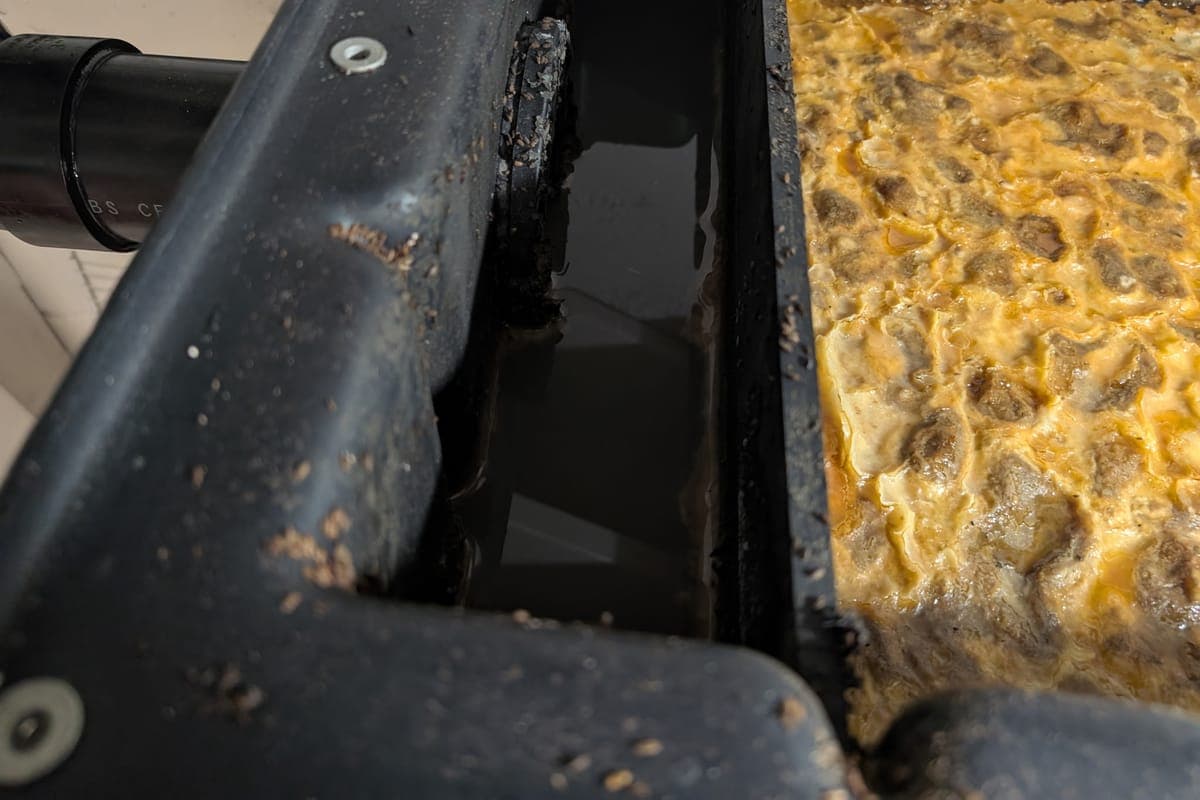
Signs you need grease trap service
- Your trap is on a required cleaning schedule and the date is due
- Slow kitchen drains or odor at floor sinks
- A health or sewer-district inspection is coming up
- Grease is carrying past the trap toward the sewer or septic
- You opened a kitchen and need a service interval established
What's included
Full trap or interceptor pump-out
We fully evacuate the trap or exterior interceptor, not just skim the top, so the trap actually works until the next service.
Scrape and inspect
We scrape walls and baffles and check for damage that lets FOG carry through.
Compliance documentation
You get a dated service manifest you can hand to a health inspector or sewer district.
Right-sized schedule
We set a realistic cleaning interval for your volume so you are not fined for an overdue trap or wasting money on over-servicing.
What to expect
- FOG ordinances vary by jurisdiction. Spokane County and Idaho health districts each have their own intervals and documentation expectations.
- Most kitchens land on a 30, 60, or 90 day interval depending on volume and trap size.
- We can hold a recurring schedule so you never miss a required service date.
- Documentation is part of every visit — missing manifests are a common citation.
Where we provide grease trap service
- Grease Trap Service in Athol
- Grease Trap Service in Coeur d'Alene
- Grease Trap Service in Hayden
- Grease Trap Service in Rathdrum
- Grease Trap Service in Post Falls
- Grease Trap Service in Spirit Lake
- Grease Trap Service in Bayview
- Grease Trap Service in Hauser
- Grease Trap Service in Dalton Gardens
- Grease Trap Service in Garwood
- Grease Trap Service in Careywood
- Grease Trap Service in Sandpoint
- Grease Trap Service in Sagle
- Grease Trap Service in Cocolalla
- Grease Trap Service in Blanchard
- Grease Trap Service in Priest River
- Grease Trap Service in Oldtown
- Grease Trap Service in Laclede
- Grease Trap Service in Dover
- Grease Trap Service in Ponderay
- Grease Trap Service in Kootenai
- Grease Trap Service in Hope
- Grease Trap Service in Clark Fork
- Grease Trap Service in Priest Lake
- Grease Trap Service in Spokane
- Grease Trap Service in Spokane Valley
- Grease Trap Service in Mead
- Grease Trap Service in Colbert
- Grease Trap Service in Chattaroy
- Grease Trap Service in Deer Park
- Grease Trap Service in Elk
- Grease Trap Service in Newman Lake
- Grease Trap Service in Otis Orchards
- Grease Trap Service in Liberty Lake
- Grease Trap Service in Nine Mile Falls
- Grease Trap Service in Cheney
- Grease Trap Service in Medical Lake
- Grease Trap Service in Airway Heights
Frequently asked questions
How often does a grease trap need to be cleaned?
Most commercial kitchens are on a 30 to 90 day cycle. The right interval depends on trap size, menu, and volume, and is often set by your local FOG ordinance.
Do you provide documentation for inspectors?
Yes. Every service includes a dated manifest you can present to a health inspector or sewer district to prove compliance.
What happens if a grease trap is not maintained?
Grease carries downstream and clogs lines or the septic system, causes backups and odor, and can result in fines under local FOG rules. Scheduled service is far cheaper than the failure.
Can you set up a recurring schedule?
Yes. We hold recurring kitchens on a fixed interval so the trap is serviced before it becomes a problem or a citation.
Need septic service? Call us.
Serving Kootenai County, Bonner County & Spokane County. Phone answered 24/7 for emergencies.